Best Practices for Building a Specialty Practice

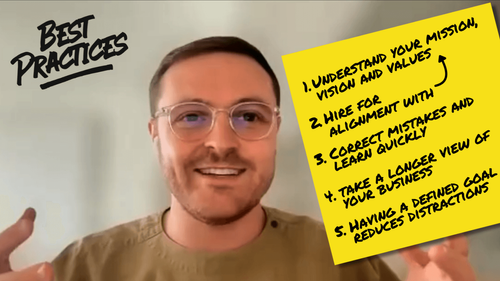
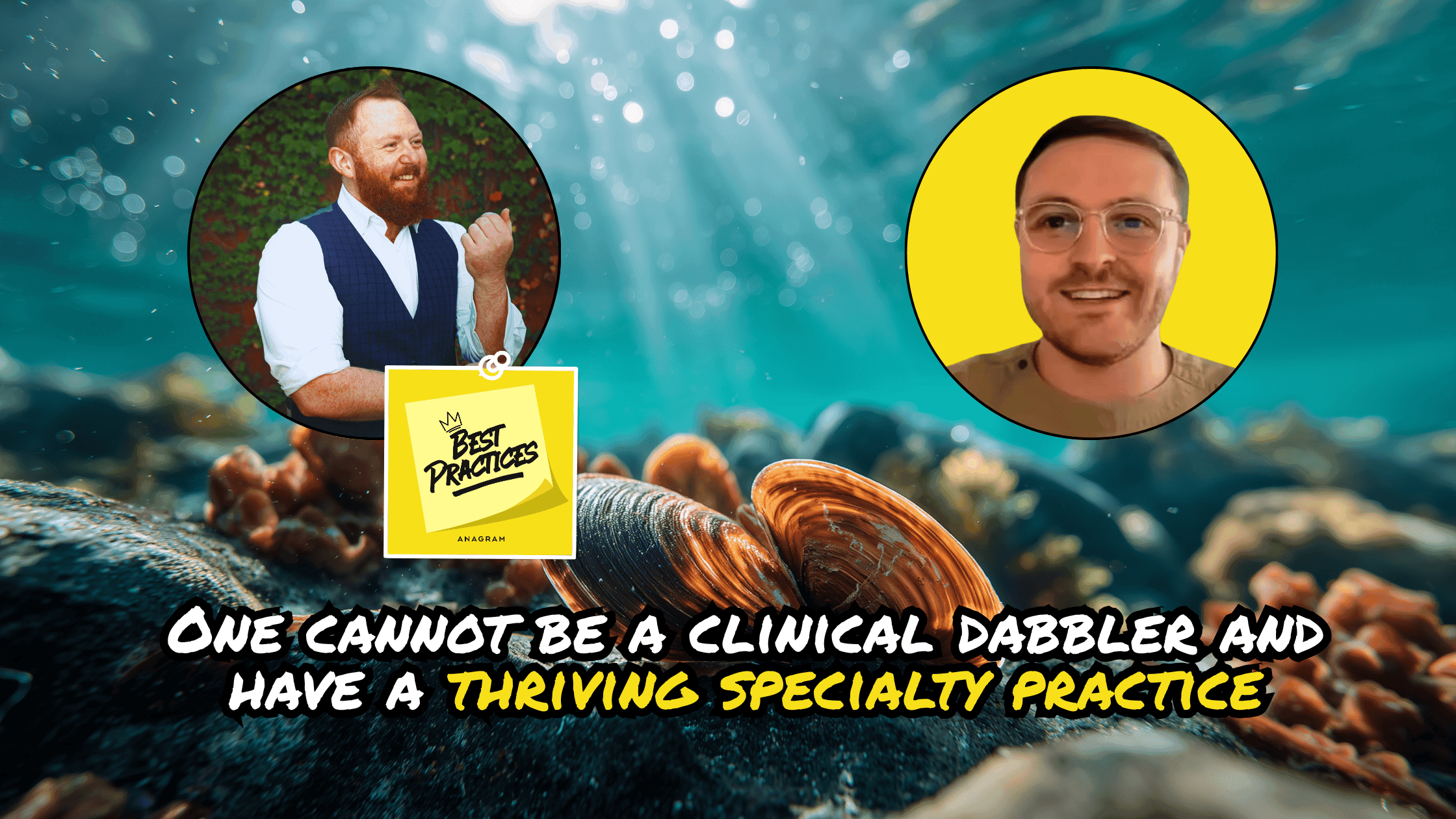
I recently sat in on an episode of Best Practices with host Steve Alexander and guest Matt Rosner and it completely reframed how I think about specialty development in eyecare. Most eye care providers get stuck on the question of which specialty to choose, as if selecting the right clinical focus is the hard part. What Matt and Steve unpacked was something more valuable: a systematic framework for evaluating whether any specialty will actually work in your practice.
Check Out the Episode Here!
The 5 Ps of Building a Specialty
Matt introduced a pneumonic device to help keep this framework fixed at the top of your mind: Passion, Prevalence, Pain, Protocol, and Profit.
Think of those 5 Ps as diagnostic tools that reveal why some specialties thrive while others fail despite solid clinical skills and your best intentions.
P1: Passion - Do What Sustains You
The first P, passion, stuck with me because of how often practitioners adopt specialties for the wrong reasons. Maybe it's trending on social media, or a device rep made a compelling pitch, or a competitor down the street is doing it. But Matt's point was clear: passion is what carries you through the inevitable challenges of building something new. The specialties that thrive are the ones where the doctor genuinely lights up talking about the subject. That enthusiasm becomes contagious with staff, and patients can feel the difference between someone going through motions and someone who truly cares about solving their specific problem.
The practical question I now ask eyecare providers is simple: could you happily see patients with this condition all day? If the answer is anything less than an enthusiastic yes, it's worth reconsidering.
P2: Prevalence - How many people can you help?
Passion alone doesn't pay the bills, which brings us to prevalence. This is where well-intentioned specialties fail. A doctor becomes fascinated with a rare condition or cutting-edge technique, invests in training and equipment, and then realizes their community simply doesn't have enough patients who need that service. Steve emphasized the importance of understanding your demographic before committing resources. This requires honest assessment of your actual patient base, not the patient base you wish you had.
- Look at your current schedule.
- Review your zip code data.
- Talk to referring providers about what they're seeing.
You need to quantify the actual opportunity in your specific market.
- How many potential patients live within your draw area?
- What percentage might you reasonably capture?
If the math doesn’t work, that’s probably a bad sign.
P3: Pain - Help them where it hurts
This was particularly enlightening to me. Matt distinguished between conditions where patients actively seek solutions versus those requiring extensive education. The specialties that gain traction fastest are those addressing immediate, recognizable problems. Patients can connect their symptoms to your solution without needing to be convinced they have an issue in the first place.
This doesn't mean you can't build specialties around preventive care or conditions requiring patient education. But you need to account for the additional effort required to help patients understand why they should care.
P4: Protocol - Commit to Doing It Right
Steve's point about dabbling versus committing really landed with me. We’ve all seen practices add a specialty as a side offering, never fully developing their systems or expertise, and then wonder why it doesn't gain momentum.
Patients can sense when something is a core competency versus an afterthought. Building a robust protocol means investing in proper training, establishing clear patient workflows, and continuously refining your approach based on outcomes. It means having specialized equipment readily accessible and blocking appropriate appointment times.
The practices that I have seen succeed with specialties treat them as legitimate pillars of their service offering. They track outcomes, gather patient feedback, and iterate on their processes. If you're going to develop a specialty, the commitment needs to show up in your systems, your schedule, your staff development, and your willingness to keep improving.
P5: Profit - Make Sure the Numbers Work
The final P, profit, brings everything back to sustainability. Matt's advice about running best-case and worst-case scenarios struck me as essential yet often overlooked. A specialty needs to make economic sense, not just clinical sense. That said, profitability isn't always immediate. Some specialties require an investment period while you build expertise and reputation. The key is having a realistic timeline and ensuring you have the runway to sustain that investment phase.
Build Something That Lasts
What I appreciated most about this conversation was the emphasis on specialty development as an ongoing process rather than a binary decision. Steve's point about treating it like an experiment resonated deeply. You form hypotheses about what will work in your practice and your market, you try approaches, you observe what actually happens, and you adapt accordingly.
Successful specialty development comes down to methodical alignment. Your passion needs to align with actual market need. That need should connect to problems patients recognize. Your delivery must be supported by solid protocols.
The economics must work in reality, not just on paper.