Best Practices for Building Patient Loyalty

Patient loyalty is something most independent practices feel like they're earning simply by being better than the alternative. Listening to Steve's conversation with Renato, I kept thinking about how much of that loyalty is actually fragile, held together by assumptions about what patients are experiencing rather than anything deliberate.
Renato came to eye care through a personal eye injury at a young age, eventually becoming a licensed optician before building a career in sales and marketing, and that background gives him a specific perspective on what patients are actually feeling versus what practices assume they're feeling.
Watch the episode here!
Transparency Compounds
The point that stayed with me most was Renato's framing of transparency as the baseline patients are already expecting, not something to surface when a patient pushes back on price. His view is that clarity around product recommendations, pricing, and benefits has to be woven into every step of the visit. By the time a patient is voicing hesitation, trust is already eroding.
The practices that get this right build a kind of loyalty where patients return because they genuinely don't want to go anywhere else, not because switching feels like too much effort.
The Conversation Happening Inside a Patient's Head
What landed hardest for me was Renato and Steve’s take on perceived value, specifically the idea that when a patient leaves for a cheaper alternative, the practice likely lost the conversation that should have happened before price ever entered the room.
Patients who understand why a specific lens was recommended for their daily life don't comparison shop the same way. That reframe matters because the solution to a communication gap looks very different from the solution to a pricing problem, and practices that confuse the two tend to keep solving for the wrong thing.
The Dispense Deserves More Attention Than It Gets
Renato's point about the dispense was the most practically useful moment in the episode for me. His framing was that the transaction closes at the register but the experience starts over at pickup. When a patient collects their glasses, walking them through what their lenses do, what to expect, and giving them language to describe the experience to a friend is how a satisfied patient becomes a vocal one. The word of mouth that actually moves a practice forward comes from patients who have specific, enthusiastic things to say, and the practice has more influence over that than most realize.
Training Is What Makes Any of This Real
The thread running through everything Renato and Steve shared was consistency. A great patient interaction delivered once is a good day. Delivered across every role, every shift, and every type of visit, it becomes a reputation, their emphasis on regular role-playing and team alignment resonated because it reframes training as the mechanism that closes the gap between what a practice intends to deliver and what patients actually experience. Those aren't the same thing without deliberate, ongoing effort to keep the team calibrated.
Loyalty as a Structure, Not Just a Feeling
The membership piece was something I hadn't considered in quite this way before. Renato's argument was that a well-designed in-house plan restructures the value conversation entirely by making benefits transparent and clearly tied to a patient's needs. When that structure exists, patients aren't weighing an abstract sense of quality against a competitor's number. They're comparing something concrete, and that changes the dynamic for both sides.
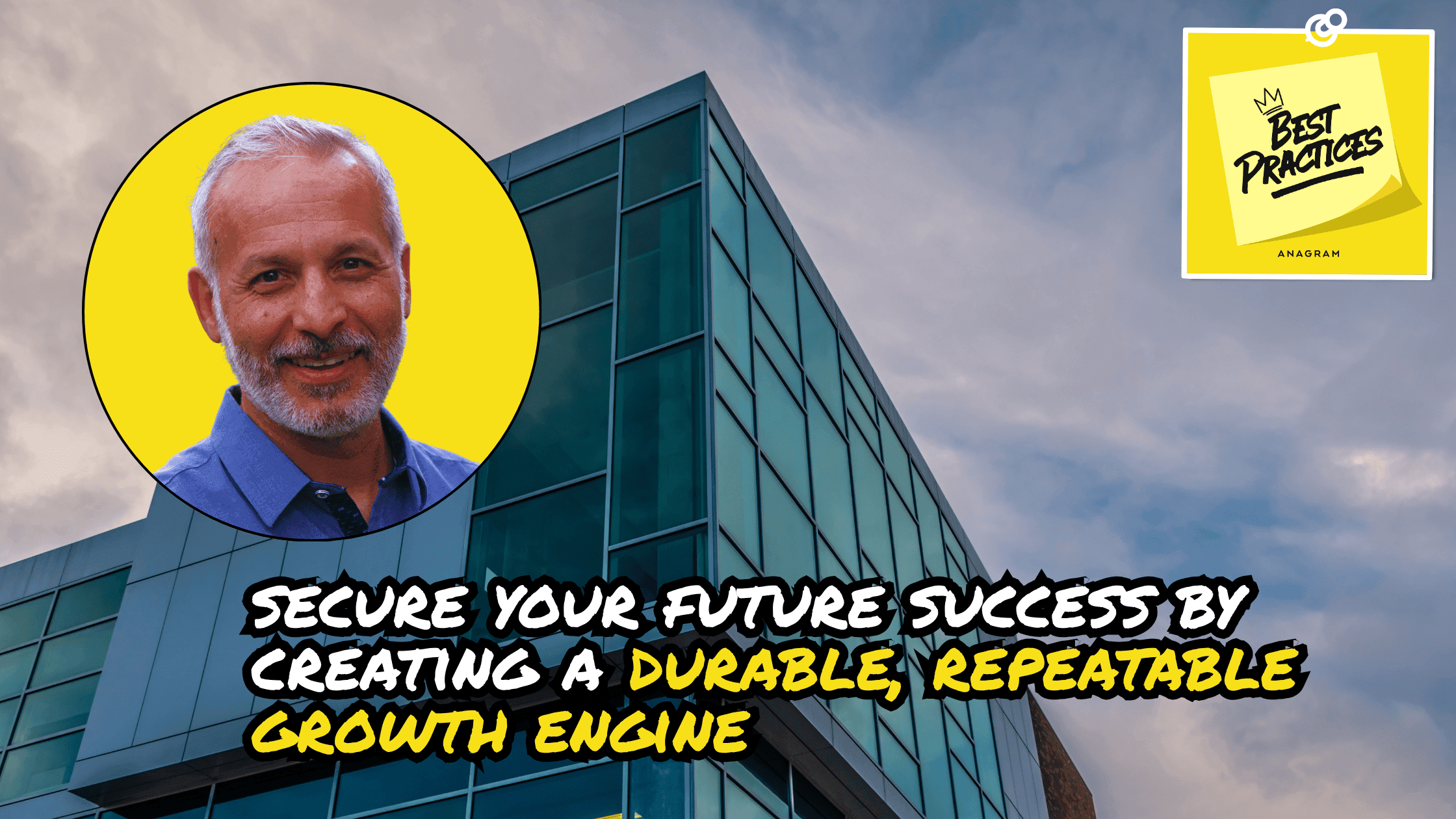
With that, I’ll close with my key takeaway from the episode: independent practices that earn promoters in their community are building more than loyalty, they’re securing their future by creating a durable, repeatable growth engine. Keep in mind: patients who leave your practice feeling the benefits of your service are your best advocates.