Best Practices for Creating Moments Worth Talking About

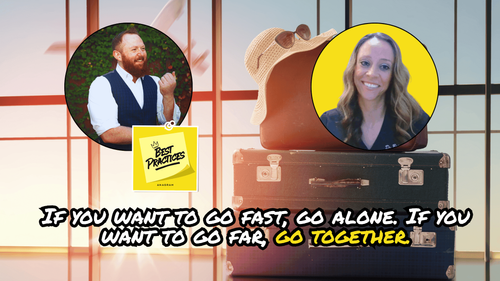
I recently had the chance to listen in on a Best Practices conversation between Steve Alexander and Samantha Toth, President and Founder of Innereactive, and one idea kept surfacing throughout: the practices patients remember and recommend are doing something unexpected.
Samantha calls these "wow" moments, and the definition is simpler than you might think. A wow moment is anything that stops a patient long enough to make them want to tell someone about it. Word of mouth has always been valuable, but in an era where a single post reaches hundreds of people instantly, the stakes around how patients feel when they leave your practice have never been higher.
Watch the Episode Here!

Experience Is the Strategy
What I found most useful in this conversation was the distinction Samantha drew between customer service and customer experience. Service tends to be reactive, a response to what's in front of you. Experience is something you design in advance, with the full patient journey in mind.
That distinction matters because it changes where you focus your energy. Practices thinking in terms of experience are asking different questions altogether, moving past "did we solve the problem?" toward "how did this feel?" and “how do we make it better next time?”
This shift in perception will enable you to refine and optimize your patient’s experience beyond transactional and toward relational which in turn cultivates loyalty and net promoters.
The Experience Starts Earlier Than You Think
For most patients, the first impression of your practice happens long before anyone says hello. It lives in a google search, a website visit, a photo they stop to look at on Instagram, and increasingly through AI platforms like Claude, ChatGPT, Grok and others.
Samantha's point about using real photos of your team rather than stock imagery stuck with me. Authenticity at that early stage sets an expectation that the rest of the visit either confirms or quietly contradicts.
Once a patient arrives, the choices compound. Leading with insurance details instead of the patient's actual needs signals where your priorities are. Organizing frames into curated lifestyle collections rather than rows of product gives people a reason to engage.
Taking a moment to share the story behind a frame, its design, its materials, what makes it worth considering, can turn a transaction into a conversation, and will extend your patient's loyalty and trust in your efforts to make their visit feel solution based rather than transactional
Following Up Is Part of the Experience Too
One of the more underrated points Steve raised was the value of a follow-up call about two weeks after a patient receives their eyewear. Done well, it demonstrates care that most practices simply don't extend. It also creates a natural opening to address any concerns before they become frustrations, and occasionally surfaces an additional need the patient hadn't thought to mention.
Most practices stop thinking about the experience the moment a patient walks out. The ones worth admiring don't.
Build the Habit of Refreshing
Samantha's suggestion to update optical displays quarterly is practical and easy to overlook. A display that hasn't changed in months sends a quiet signal, and patients notice even when they can't articulate why. Highlighting an optician's pick, rotating collections, tracking what's resonating with patients; these are small commitments that keep the experience feeling considered rather than static.
The through line in this conversation is that memorable experiences are designed, not accidental. Practices that approach each touchpoint with intention give patients something to talk about. And in this industry, that kind of reputation compounds in ways that no ad budget can replicate.