Best Practices for Building Purposeful Relationships in Eyecare

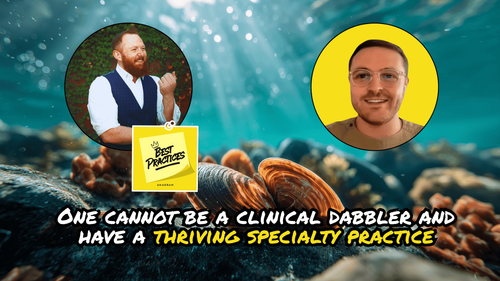
Relationship-building is one of those topics that can easily slide into generic advice territory, so I was glad when this episode of Best Practices went to more useful places than the usual talking points. The conversation surfaced a genuinely practical framework for how eyecare professionals can build relationships that hold up over time, with patients, partners, staff, and peers alike.
Dr. Rhue opened with something her father taught her early:
"If you want to go fast, go alone. If you want to go far, go together."
She traces her approach to relationships back to childhood lessons about handshakes, remembering names, and making it a point to know everyone in the room before you leave. For eyecare professionals, that's worth sitting with. The relational culture of a practice tends to reflect the habits of the people leading it.
Check Out the Episode Here!

Trust Is Earned Through Honest Conversations
The strongest professional relationships I've observed share a common thread: both sides are willing to say the uncomfortable thing rather than let tension quietly build. Brianna’s partnership at her practice, West Broward Eyecare, worked because mutual respect created enough safety for direct, honest dialogue. I'd challenge practice owners to look at their current vendor and staff relationships honestly. The ones worth investing in are the ones where both sides feel comfortable being direct, and if that foundation is missing, it's worth asking why.
Two Seconds of Courage
Steve's reframe around introversion stuck with me. His approach to meeting new people comes down to two seconds of courage, just enough to introduce yourself before hesitation takes over. For any team member who finds networking or community engagement uncomfortable, that's a genuinely useful place to start.
Dr. Rhue pairs that with something I think every practice should put into practice: go into conversations with questions that go a layer deeper than small talk. Asking someone what they love about where they're from lands differently than simply asking where they're from. I'd encourage staff attending events or engaging with patients to come prepared with a few thoughtful questions. The goal is to be curious enough that the other person feels genuinely heard.
When Feedback Goes Quiet, Pay Attention
Dr. Rhue framed feedback in a way that reframed how I think about it too. Actively seeking feedback means the other person still trusts you enough to be honest. When that stops, something worth addressing has already started to erode.
That applies directly to staff culture. If your team has stopped offering input, that silence deserves your attention. It also applies to patients. A brief follow-up after dispensing eyewear, a simple check-in about their experience, these small gestures signal that care extends beyond the appointment itself and give you something real to improve on.
Invest Before You Need Something
The idea I keep coming back to from this conversation is that meaningful relationships require investment before there's anything obvious to gain. For independent practices, that translates to how you show up in your community. Attending local events, collaborating with nearby businesses, being present in the places your patients already gather; these choices build familiarity and trust that no marketing campaign can manufacture.
I'd challenge every practice owner to identify one community touchpoint they've been meaning to engage with and follow through on it. The connections built without a specific agenda tend to be the most valuable ones when something important is actually on the line.