Best Practices for Integrating Smart Eyewear in Eyecare
I recently sat in on an episode of Best Practices with host Steve Alexander and guest Cira Collins and it changed where I think the real question sits with smart eyewear. Most practices get stuck on whether the technology is ready, as if the product itself is the thing to evaluate. What Cira and Steve unpacked was something more useful: the decision is about timing and positioning, and you can work through it without having an opinion on the technology at all.
Catch the full episode here
What Makes a Frame Smart
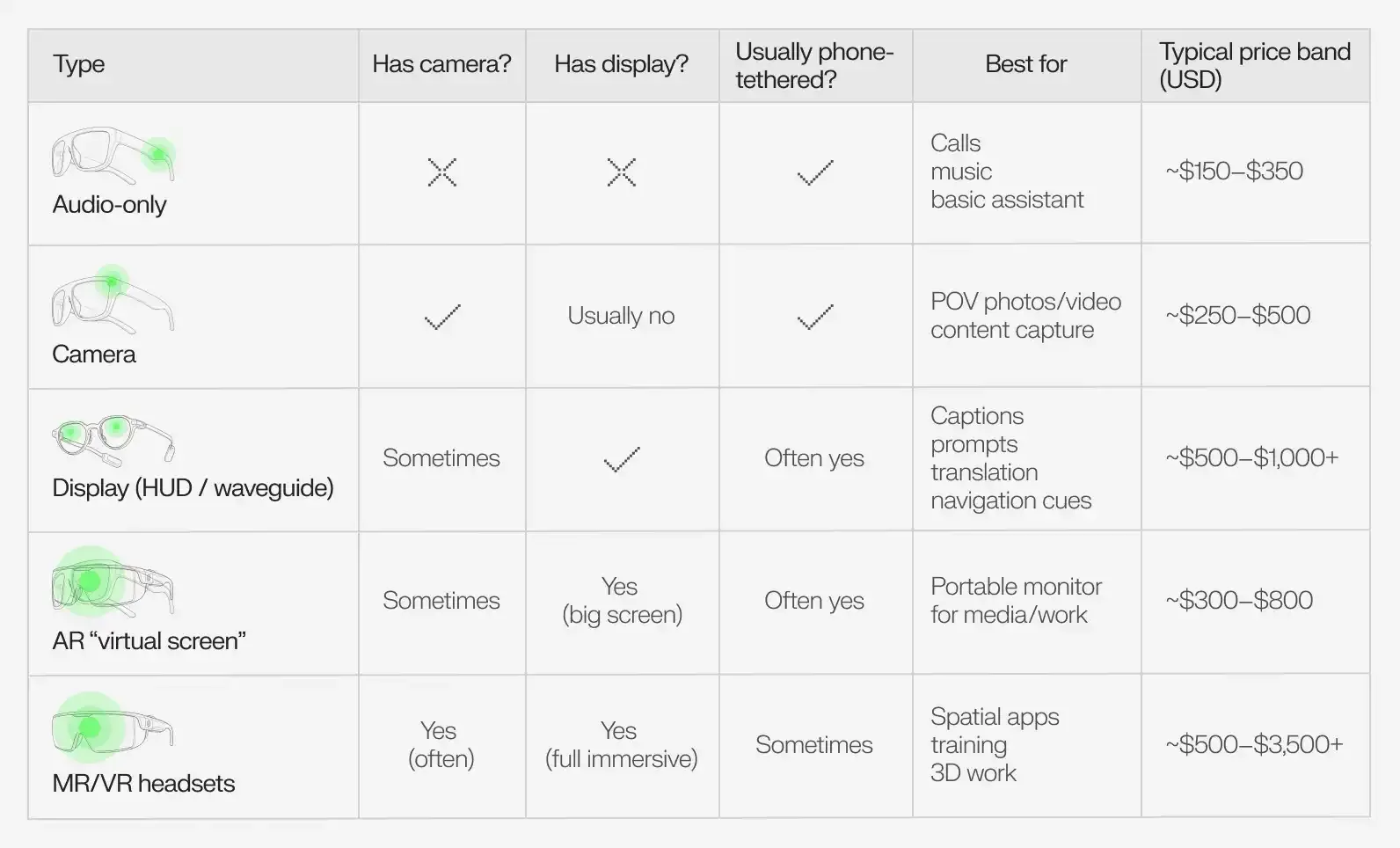
Smart eyewear takes a conventional frame and puts electronics inside it. Wireless connectivity, music playback, voice assistance, and a list of features that keeps growing. The concept has existed for years without going anywhere, which is exactly why I understand the skepticism.
What I found compelling was Cira's explanation of what actually changed. Advances in AI and nanotechnology made the hardware viable in a frame someone would wear every day. Just as importantly, the public got comfortable with wearable technology in a way it simply was not a decade ago. Both had to happen. Neither one alone would have been enough.
Why the Window Is Open Now
Cira's argument for urgency is not built on enthusiasm, which is why it held up for me. It is built on where the money is going. Eyewear manufacturers are investing at a level that does not happen for a passing trend, and that investment is the signal worth paying attention to.
Then there is the number that reframed it for me. Roughly 70 percent of patients need a prescription. Nobody is better positioned to own this category than the people already fitting and dispensing lenses. That advantage is real, but it is not permanent, and it only counts if someone claims it.
Finding Where You Sit on the Adoption Curve
This is the part I keep coming back to. Innovators and early adopters have already moved. For most independent practices, the honest and probably correct goal is to land somewhere in the early majority over the next few years.
I like that framing because it removes the pressure to be first. You do not have to bet the dispensary on an unproven category. You have to start the groundwork now so that when the category settles, you are already in it. Reach out to manufacturers, identify a few styles that fit your patient base, and get product in hand to trial. Practices that do that quietly over the next year or two will look like leaders without ever having taken a real risk.
Choosing the Right Product for Your Practice
Not every smart frame belongs in every dispensary, and Cira's criteria are refreshingly practical. Adjustability. Compatibility with lenses your lab can actually produce. Serviceability after the purchase. And styles patients genuinely want to wear.
That last one gets underrated, in my experience. A frame that performs beautifully and looks like a prototype will sit on your board. The first three matter for a different reason. A product you cannot adjust, lens, or repair does not stop being your problem when the sale closes. It becomes a problem you own indefinitely.
Stocking It Is Not the Same as Supporting It
Here is where I think most practices will stumble. Putting smart eyewear on the board is the easy half. Being ready when the patient has questions is the half that determines whether this works, and they will have questions.
Your team needs to understand the technology well enough to demonstrate it without hesitating. You need a demo setup that actually functions. And you need a real answer for what happens when something goes wrong three months later. A patient who buys technology from you and then cannot get help with it does more damage to your reputation than never carrying the category at all.
Where to Start
What I took from Cira is that getting ready for smart eyewear is mostly about action and consistency, not a large investment. Consider taking the following steps to start:
Reach out to manufacturers directly rather than waiting for a rep to find you. The practices getting early access are the ones making the calls.
Start small and deliberately. A few select styles is enough to get your team comfortable, and Cira put the realistic upfront investment for a starting collection at around $2,500.
Make the experience consistent everywhere a patient encounters you. If you are selling tech-forward eyewear, your dispensary and your website both need to look the part. Train your team on how they talk about it online with the same care you put into training them on the product.
Build the dispensing experience around it. A thoughtful fitting and handoff is what turns a transaction into the story a patient tells someone else.
Position Yourself Before You Have To
What I appreciated most about this conversation was that Cira never argued smart eyewear is going to save anyone's business. She argued that patient expectations are shifting, and practices that get comfortable with the category early will be the ones defining it rather than reacting to it.
The product will keep changing. The specific frames worth stocking today may look dated in three years. What lasts is the habit of learning a category before your patients start asking about it, and that habit is available to any practice willing to make a few phone calls this quarter.