Best Practices for Workforce Management in Optometry

I recently sat in on an episode of Best Practices with host Steve Alexander, VP of Industry and Strategic Partnerships at Anagram, and guest Cory Pinegar of Teem, and it changed how I think about what a team is actually for. Most practices treat workforce management as a hiring problem, a matter of filling seats and keeping costs down. What Steve and Cory unpacked was something more valuable: a way of thinking about staffing, mission, and culture that starts with the value each person brings, not what they cost. The practices that do this well aren’t necessarily spending more. They’re thinking more clearly about what they’re building.
Watch the episode here!
Value Over Cost
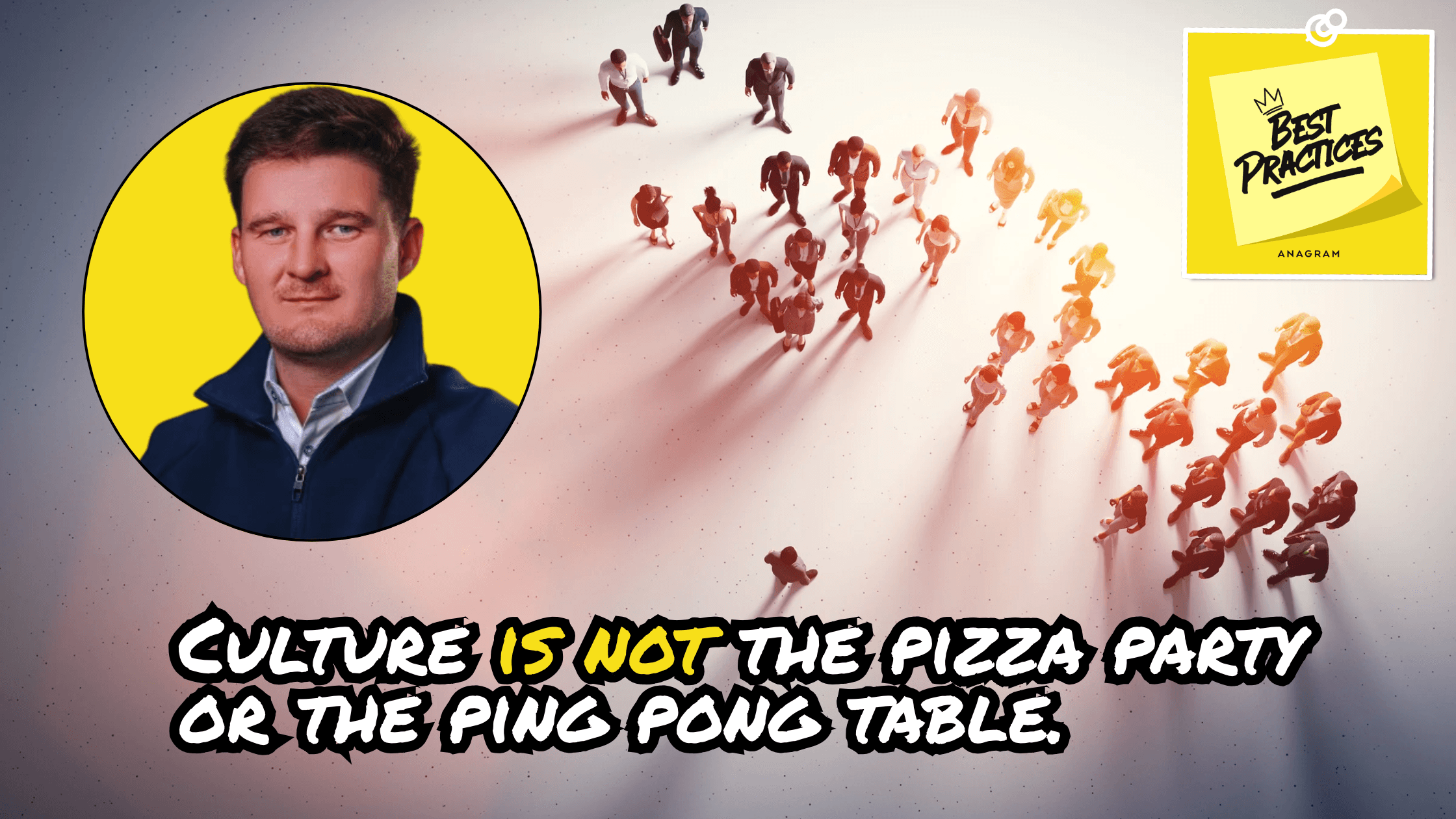
The theme that ran through the whole conversation was value over cost, and I found myself nodding along. Steve and Cory made the case that focusing only on cost leads practices astray, and that understanding what each team member brings to the practice makes for smarter hiring and development decisions. Cory used Toyota and Costco as examples of brands that invest in longevity and reliability, and I liked how those comparisons made the idea concrete. Both pay off over time in ways a cost-first mindset would miss. It made me want to ask any practice owner what they’re really weighing when they look at a role: what it costs, or what it’s worth.
Why the front desk deserves better
This was the part of the episode that stuck with me most. Steve raised a concern I think many practices will recognize. When a front desk team member is good, they often get moved into another role quickly, and the value they bring to patient interactions can get overlooked. Cory agreed that the front desk is often treated as a transitional position, but he made the case that it is central to the patient experience. It sets the tone and shapes first impressions before a patient ever sees a provider. Your front desk staff are the first faces your patients see when they walk in and the last they see when they leave. This fact alone is why the investment of resources needed to set them up for success in their current role should never be overlooked.
Hire for personality, train for skill
Cory’s approach to hiring is to hire for personality and train for skill. In practice, that means looking for strong soft skills and values alignment first, and making sure new team members connect with the practice’s mission and vision. He compared it to a sports team, where everyone pulling toward the same goals matters as much as individual talent. This is the section I’d point to if you only have time for one. It’s easy to say you hire for fit, and much harder to build a process that actually does it.
Set expectations with a few meaningful KPIs
Cory also pushed for clearly defined Key Performance Indicators for every role. When expectations and responsibilities are spelled out, tracking and managing performance gets much easier. What I appreciated was how clear he was that more isn’t better here. A handful of key metrics will drive more meaningful improvement than a long list of indicators that overwhelms the team. I think a lot of us have been on the receiving end of a dashboard with too many numbers, and this was a good reminder that focus is the point.
Knowing when to add headcount
Steve and Cory agreed that adding staff should come after a practice has explored every other way to make its existing team more efficient. Once a practice has passed certain efficiency thresholds, adding headcount makes sense. I found this refreshing, because the instinct when a practice feels stretched is often to hire. Approaching it this way helps a practice scale without sliding into overstaffing.
A framework to tie It together
For practices that want help setting direction and running day to day, Cory recommended the Entrepreneurial Operating System, or EOS. The framework gives practices a structured way to articulate their mission, set KPIs, and keep everyone aligned, which makes operations smoother and growth more strategic. I came away thinking EOS is worth a look for any practice that feels like it’s working hard without a clear shared direction. Start small, stay consistent
The conversation kept returning to providing value, both to staff and to patients. For optometry practices, that means building a culture of continual learning and adaptation. Cory’s closing advice was simple, and I think it’s the right place to land: start small, stay consistent, and keep working on the business, not just in it. You don’t need to overhaul everything this quarter. You just need to start.